













Bob Kagan vừa tuyên bố nước Mỹ đã bị “chiếu tướng” tại Iran, trong khi đó, Hoa Kỳ đang chuẩn bị lao xuống vực thẳm năng lượng ngay trong hai tuần tới. Có lẽ bạn nên sớm sắm cho mình một chiếc xe điện.
May 11, 2026
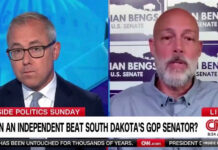
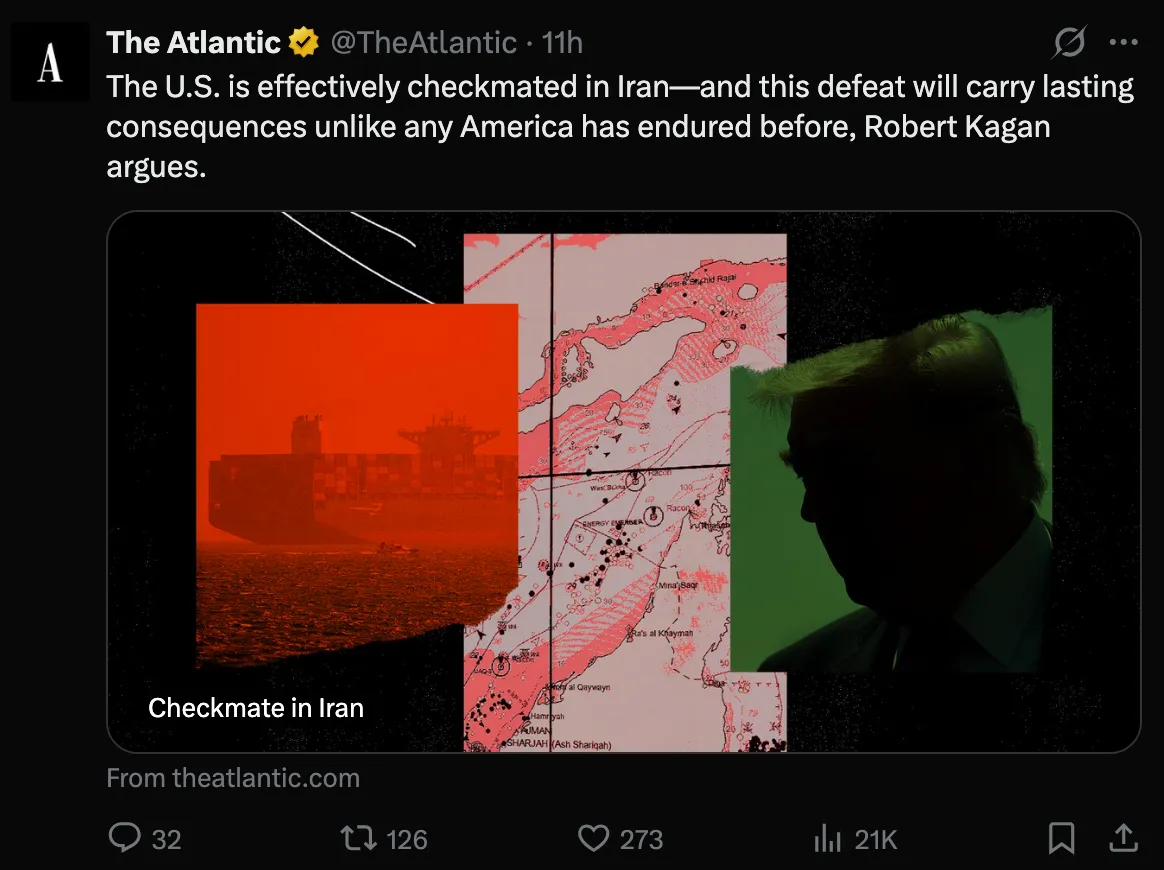
Vào thứ Bảy, Robert Kagan — vâng, chính là Robert Kagan đó, đồng sáng lập của Dự án cho Thế kỷ Mỹ Mới (Project for the New American Century), chồng của Victoria Nuland, anh trai của Frederick Kagan, và là “triết gia nội bộ” biện minh cho mọi cuộc chiến tranh của Mỹ trong ba mươi năm qua — đã đăng một bài viết trên tạp chí *The Atlantic* với tựa đề “Chiếu tướng tại Iran” (Checkmate in Iran). Trong đó, ông viết rằng Hoa Kỳ đã phải chịu đựng “một thất bại toàn diện trong một cuộc xung đột — một bước lùi mang tính quyết định đến mức tổn thất chiến lược này không thể nào khắc phục hay phớt lờ được.”
Đây chính là người từng đóng vai trò là đường dây nóng chuyên xác nhận và tán thành các chiến lược cho Dick Cheney. Đây chính là tạp chí mà trên thực tế, chưa bao giờ gặp một cuộc can thiệp quân sự nào của Hoa Kỳ mà họ không thể “khoác cho nó chiếc áo vest lịch lãm” để tô vẽ vẻ hào nhoáng. Và điều họ đang nói với bạn — bằng một ngôn ngữ mà ở bất kỳ thập kỷ nào khác, chính họ sẽ gọi là “bi quan yếm thế” và “thiếu tinh thần yêu nước” — là việc nước Mỹ vừa thất bại; không phải thất bại trong một trận đánh, cũng không phải trong một chiến dịch quân sự, mà là thất bại trong việc duy trì vị thế của mình trên trường quốc tế.
Khi Ronald McDonald nói với bạn rằng món burger dở tệ, thì quả thực, món burger đó tệ hại vô cùng.
Và đây là phần lẽ ra phải khiến mọi người Mỹ phải sững sờ đến mức ngồi sụp xuống sàn bếp: trong khi Kagan đang ngồi viết bài phân tích hậu sự từ vị thế chiến lược đầy êm ấm tại chuyên mục ý kiến của *The Atlantic*, thì thế giới thực — cái thế giới với những trạm xăng, cửa hàng thực phẩm, nhà máy lọc dầu và cước phí vận chuyển hàng hóa — đã và đang phải gánh chịu những hậu quả trực tiếp của cuộc khủng hoảng này. Sri Lanka đang phải phân phối nhiên liệu theo định mức thông qua mã QR. Pakistan đang phải áp dụng chế độ làm việc bốn ngày một tuần. Ấn Độ chỉ còn lại lượng dự trữ chiến lược đủ dùng cho từ sáu đến mười ngày. Hàn Quốc đang phải áp dụng quy định lưu thông xe theo biển số chẵn-lẻ. Nhật Bản đang tiến hành đợt xả kho dự trữ khẩn cấp thứ hai trong năm. Còn tại Hoa Kỳ — quốc gia mà Bộ trưởng Quốc phòng từng xuất hiện trên truyền hình vào tháng Hai và tuyên bố trước ống kính rằng Iran sẽ phải “đầu hàng hoặc bị xóa sổ” — giá xăng đang leo thang chóng mặt, trong khi kho dự trữ dầu mỏ chiến lược lại đang bị rút cạn trong đợt xả kho phối hợp quy mô lớn nhất lịch sử do Cơ quan Năng lượng Quốc tế (IEA) khởi xướng.
Đây chính là bộ mặt thật của một cuộc chiến tranh do chính mình lựa chọn — một cuộc chiến được quyết định bởi những kẻ lừa đảo, những kẻ sẵn sàng đốt cháy chính đất nước mình chỉ để thao túng thị trường và thỏa mãn cái tôi mong manh, hão huyền của bản thân.
Hãy cùng nhau mổ xẻ vấn đề này một cách chi tiết.
I. Cuộc chiến mà Trump từng bảo với bạn rằng sẽ chỉ kéo dài vỏn vẹn một cuối tuần
Hãy thử hồi tưởng lại — và bạn chẳng cần phải nhớ quá xa đâu, bởi sự việc mới chỉ diễn ra vỏn vẹn bảy mươi ngày trước — về đêm ngày 28 tháng 2 năm 2026. Đó là đêm mà chính quyền Trump, phối hợp cùng Israel, đã phát động Chiến dịch Epic Fury: một chiến dịch phối hợp trên cả đường không và đường biển mà chỉ trong vòng bảy mươi hai giờ đồng hồ, đã hạ sát Lãnh tụ Tối cao của Iran, tiêu diệt Hải quân Iran, san phẳng phần lớn nền tảng công nghiệp quốc phòng của nước này, và ám sát cả một thế hệ lãnh đạo quân sự Iran. Trên mạng xã hội Truth Social, Trump tuyên bố khẩu hiệu “Hòa bình thông qua Sức mạnh” ngay cả khi bụi khói từ những đống đổ nát đầu tiên vẫn chưa kịp lắng xuống. Pete Hegseth — người tự khăng khăng đòi được gọi là “Bộ trưởng Chiến tranh” (Secretary of War), bởi gã đàn ông này chẳng thể nào hoàn thành nổi một cuộc họp báo mà không hóa thân vào vai diễn quân nhân (LARP) — đã bước lên bục phát biểu tại Lầu Năm Góc và tuyên bố, với cái phong cách pha trộn thường thấy giữa sự huênh hoang và chiều sâu phân tích (vốn chẳng có chút nào), rằng Iran giờ đây đã “không còn công nghiệp quốc phòng, cũng chẳng còn khả năng tái thiết lực lượng.”
Ông ta đã bỏ sót một chi tiết quan trọng.
Iran chẳng cần đến một nền công nghiệp quốc phòng để thực hiện những bước đi tiếp theo của mình. Thứ họ cần, chỉ đơn giản là một tấm bản đồ.
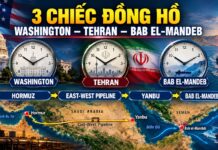
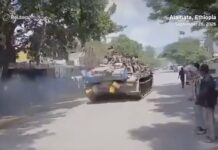
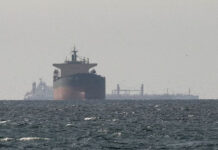
Vào ngày 4 tháng 3 — sáu ngày sau khi cuộc chiến mà Hegseth từng khẳng định là đã “thắng lợi” nổ ra — Lực lượng Vệ binh Cách mạng Hồi giáo Iran tuyên bố rằng Eo biển Hormuz đã bị đóng cửa. Không phải là “trong tình trạng tranh chấp.” Cũng chẳng phải là “bị hạn chế.” Mà là đóng cửa hoàn toàn. Theo cách diễn đạt của họ, “dù chỉ một lít dầu” cũng sẽ không thể đi qua nếu thiếu sự cho phép của Tehran. Bất kỳ con tàu nào cố gắng đi qua eo biển mà có “liên hệ với Hoa Kỳ, Israel hoặc các đồng minh của họ” đều sẽ bị coi là “mục tiêu hợp pháp.” Chỉ trong vòng bốn mươi tám giờ, phí bảo hiểm rủi ro chiến tranh đã tăng vọt gấp năm lần. Trong vòng bảy mươi hai giờ tiếp theo, các thiết bị phát tín hiệu định vị tự động (AIS) trên những siêu tàu chở dầu lớn nhất thế giới đồng loạt tắt ngúm, và eo biển này — nơi mà vào những ngày bình thường vẫn vận chuyển khoảng 20% lượng dầu mỏ đường biển của thế giới cùng một tỷ trọng tương đương về khí tự nhiên hóa lỏng (LNG) — đã thực sự chìm vào sự tĩnh lặng chết chóc.
Cũng phải dành lời ghi nhận cho Hội đồng Tham mưu trưởng Liên quân, bởi họ đã từng cảnh báo Trump rằng kịch bản này chắc chắn sẽ xảy ra. Theo nhiều báo cáo khác nhau, các cuộc họp báo cáo tình hình trước khi Chiến dịch Epic Fury được phát động đều đã bao gồm những lời cảnh báo rõ ràng rằng phản ứng khả dĩ nhất từ phía Iran chính là việc đóng cửa eo biển này. Phản ứng được ghi lại của ông Trump, đại loại là: Iran sẽ “đầu hàng”, và nếu họ không làm vậy, thì “chúng ta sẽ chỉ việc mở lại nó thôi”.
Chúng ta đã không mở lại nó.
Chúng ta không thể mở lại nó.
Câu nói đó chính là toàn bộ câu chuyện.
II. Những điều Kagan thực sự thừa nhận (và những điều ông vẫn chưa thể nói ra)
Bài viết của Kagan trở nên đáng chú ý không phải vì những điều ông dự đoán, mà là vì những điều ông chịu thừa nhận. Nếu gạt bỏ giọng điệu của giới tinh hoa chiến lược cùng văn phong đặc trưng của giới bình luận chính sách Đại Tây Dương, điều còn lại mà bạn thấy chính là một lời thú nhận. Hãy để tôi trình bày những lời thừa nhận của ông ấy bằng ngôn ngữ đơn giản, dễ hiểu:
Thứ nhất. Đây không phải là Việt Nam. Đây không phải là Afghanistan. Theo lời ông, những cuộc chiến đó “đã không gây ra tổn hại lâu dài đối với vị thế tổng thể của nước Mỹ trên trường quốc tế.” Còn cuộc chiến lần này, ông khẳng định dứt khoát, mang “tính chất hoàn toàn khác biệt. Nó không thể nào được hàn gắn, cũng chẳng thể bị phớt lờ.”
Thứ hai. Iran sẽ không trả lại quyền kiểm soát eo biển Hormuz đâu. Không phải kiểu “sẽ không trả trong năm nay.” Cũng không phải kiểu “sẽ không trả trừ khi chúng ta đàm phán quyết liệt hơn.” Mà là sẽ không trả — chấm hết. Như cách Kagan diễn đạt: Giờ đây, Iran sẽ “không chỉ có quyền đòi thu phí lưu thông, mà còn có thể giới hạn quyền đi lại đối với những quốc gia mà họ có quan hệ tốt đẹp.” Cơ chế tự do hàng hải — nền tảng đã định hình thị trường dầu mỏ toàn cầu kể từ khi “Học thuyết Carter” ra đời, và cũng là tiền đề duy nhất mà Hoa Kỳ dựa vào để biện minh cho sự hiện diện quân sự tại Vịnh Ba Tư suốt bốn mươi năm qua — nay đã cáo chung. Giờ đây, một cơ chế “xin phép” đã được thiết lập, và quyền cấp phép đó nằm trong tay Tehran.
Thứ ba. Các vương quốc quân chủ vùng Vịnh buộc phải tìm cách thỏa hiệp với Iran. Kagan viết: “Hoa Kỳ sẽ tự chứng minh mình chỉ là một ‘con hổ giấy’, buộc các quốc gia vùng Vịnh và các nước Ả Rập khác phải tìm cách thỏa hiệp với Iran.” Dịch nôm na là thế này: mọi hoàng tử Ả Rập Xê Út hay Tiểu vương quốc Ả Rập Thống nhất — những người vừa tận mắt chứng kiến Hoa Kỳ thất bại trong việc bảo vệ các nhà máy lọc dầu và các tuyến đường hàng hải của chính họ — hiện đang gọi điện sang Tehran để thương thảo về một thỏa thuận mới. Nói cách khác: kiến trúc an ninh mà Hoa Kỳ đã mất nửa thế kỷ dày công xây dựng tại vùng Vịnh đang tự sụp đổ ngay trước mắt chúng ta.
Thứ tư. Hải quân Hoa Kỳ không thể mở lại eo biển này. Đây là điểm mà tôi muốn các bạn dừng lại và suy ngẫm kỹ một chút, bởi lẽ đây chính là lời thừa nhận gây chấn động nhất trong toàn bộ bài viết. Kagan khẳng định: “Nếu Hoa Kỳ — với lực lượng Hải quân hùng mạnh bậc nhất của mình — không thể hoặc không muốn mở lại eo biển này, thì bất kỳ liên minh quân sự nào khác — vốn chỉ sở hữu một phần nhỏ năng lực so với người Mỹ — cũng sẽ hoàn toàn bất lực trước nhiệm vụ đó.” Bộ trưởng Quốc phòng Đức, ông Boris Pistorius, cũng phát biểu điều gần như tương tự nhưng một cách thẳng thắn hơn: Trump kỳ vọng một vài chiếc khinh hạm châu Âu sẽ làm được điều gì mà Hải quân Hoa Kỳ hùng mạnh lại không thể làm nổi? Hãy đọc câu nói đó như một bản cáo phó đúng nghĩa của nó. Hoa Kỳ yêu cầu các đồng minh dọn dẹp đống bừa bộn do chính mình gây ra, và các đồng minh quay lại hỏi: “Dọn bằng cái gì đây?”
Năm. Kho vũ khí của Mỹ đã cạn kiệt. “Chỉ vài tuần chiến tranh với một cường quốc hạng hai,” Kagan viết — và hãy ngẫm kỹ cụm từ “cường quốc hạng hai” này khi nó được thốt ra từ chính người được coi là “thánh bảo trợ” cho các cuộc thay đổi chế độ — “đã đẩy kho vũ khí của Mỹ xuống mức thấp nguy hiểm, mà chẳng thấy có giải pháp khắc phục nhanh chóng nào trong tầm mắt.” Nếu bạn đang ngồi ở Đài Bắc, Seoul, hay Warsaw, và đọc đoạn văn này trên tạp chí *The Atlantic* vào cuối tuần này, chắc chắn bạn sẽ chẳng cảm thấy an toàn hơn chút nào. Ngược lại, bạn sẽ cảm thấy bất an hơn rất nhiều.
Sáu. Uy tín của khối đồng minh — đã tiêu tan. Các cam kết an ninh của Mỹ — đã bị bóc trần là giả tạo. Trung Quốc và Nga — đã được minh oan. Kagan hầu như không nói thẳng ra phần này — ông ta không thể nói, ít nhất là không thể nói một cách trọn vẹn trên tờ *The Atlantic* — nhưng nó vẫn hiện diện lẩn khuất trong từng câu chữ của ông ta, tựa như một thi thể bị giấu kín dưới sàn nhà.
Tất nhiên, điều mà ông ta không thể nói ra chính là việc chúng ta đã rơi vào tình cảnh này như thế nào. Bởi lẽ, chính ông ta là người đã đẩy chúng ta đến bước đường này. Chính ông ta, vợ ông ta, em trai ông ta, cùng mọi cá nhân đã ký tên vào mọi bức thư của PNAC (Dự án Thế kỷ Mỹ mới) kể từ năm 1997 trở đi, và mọi chuyên gia tại các viện nghiên cứu đã dành trọn một phần tư thế kỷ qua để biến Iran thành “kẻ thù không thể thiếu” của nước Mỹ. Trong bài viết của ông ta, chẳng hề có lấy một âm tiết nào thể hiện sự tự vấn, cũng chẳng có dù chỉ một tia suy ngẫm kiểu như: “phải chăng chính ba mươi năm áp lực tối đa đã tôi luyện nên kẻ thù vừa mới dồn chúng ta vào thế bí?” Khói lửa bao trùm khắp nơi, vậy mà chính kẻ phóng hỏa lại tỏ ra ngơ ngác trước mùi khói do mình tạo ra.
Và rốt cuộc thì ông ta đề xuất giải pháp gì? Bạn sẽ bật cười đấy. Bạn sẽ cười, nhưng rồi ngay sau đó, bạn sẽ chẳng còn thấy buồn cười chút nào nữa.
Đó là một cuộc chiến tranh quy mô lớn hơn. Cụ thể là: “phát động một cuộc chiến tranh tổng lực trên cả bộ binh và hải quân nhằm lật đổ chế độ hiện hành tại Iran, và sau đó tiến hành chiếm đóng toàn bộ lãnh thổ Iran.” Một người vừa mới viết tới 4.000 từ để giải thích rằng Hải quân Hoa Kỳ bất lực trong việc mở lại một tuyến đường thủy rộng vỏn vẹn 21 dặm khi đối đầu với một cường quốc mà chính ông ta gọi là “hạng hai”, lại kết luận rằng giải pháp tối ưu lúc này là xâm lược và chiếm đóng một quốc gia có tới 90 triệu dân, nằm án ngữ trên địa hình núi non hiểm trở bậc nhất khu vực Tây Á. Giải pháp của kẻ phóng hỏa đối với đám cháy là một đám cháy lớn hơn.
III. Trong khi đó, ở thế giới thực: cuộc khủng hoảng dầu mỏ toàn cầu – diễn biến tại từng quốc gia
Phân tích chiến lược là một chuyện. Một nhà phân tích chiến lược có thể viết bài của mình, đi bộ ra quán cà phê ở góc phố tại Washington, gọi một ly flat white, mà chẳng cần phải bận tâm xem nguồn dầu diesel nào đã cung cấp năng lượng cho chiếc xe tải chở sữa đến đó. Thế nhưng, phần còn lại của hành tinh hiện đang phải thực hiện chính xác phép tính đó – và đó là một phép tính với những con số vô cùng tồi tệ.
Đây là bức tranh toàn cảnh thế giới, tính đến sáng nay:
Sri Lanka đang áp dụng chế độ phân phối nhiên liệu nghiêm ngặt trên toàn quốc. Mã QR được cấp riêng cho từng phương tiện. Các trường phổ thông và đại học đang phải chuyển sang lịch trình hoạt động nhằm tiết kiệm năng lượng. Đây không phải là dự báo cho tương lai; đây là thực tế đang diễn ra ngay lúc này.
Pakistan đã triển khai chế độ làm việc bốn ngày một tuần cho cả khu vực công và tư nhân. Các chợ và cửa hàng đang phải đóng cửa sớm hơn thường lệ. Làm việc từ xa đang được khuyến khích và mở rộng quy mô mạnh mẽ nhằm giảm thiểu nhu cầu đi lại của người dân.
Ấn Độ hiện chỉ còn lại lượng Dự trữ Dầu mỏ Chiến lược đủ dùng trong khoảng từ sáu đến mười ngày. Tổng lượng dự trữ trong toàn hệ thống hiện vào khoảng sáu mươi ngày, nhưng tình trạng mua gom nhiên liệu do hoảng loạn đang gia tăng theo cấp số nhân; chính phủ nước này đang phải gấp rút tìm kiếm nguồn nhập khẩu khẩn cấp từ bất cứ nơi nào có thể mua được dầu – nguồn cung mà ngày càng phụ thuộc vào Nga, quốc gia cũng ngày càng sẵn lòng đáp ứng nhu cầu này.
Hàn Quốc đang áp dụng quy định lái xe luân phiên theo biển số chẵn-lẻ bắt buộc đối với khu vực công, và khuyến khích tự nguyện đối với các đối tượng khác, đi kèm với các ưu đãi về giá trần nhiên liệu. Quốc gia này cũng đã ban hành lệnh cấm xuất khẩu naphtha (một loại nguyên liệu lọc dầu) kéo dài trong năm tháng.
Nhật Bản đang bước vào đợt xả kho dự trữ chiến lược khẩn cấp quy mô lớn thứ hai trong năm nay. Đợt xả kho đầu tiên đã diễn ra vào tháng Ba. Hiện tại, họ đang phải sử dụng đến chính nguồn dự trữ mà trước đó họ từng báo cáo với Cơ quan Năng lượng Quốc tế (IEA) là đủ để làm “tấm đệm” an toàn trong 230 ngày.
Vương quốc Anh đang rơi vào tình trạng “sốc giá” nhiên liệu. Các gói hỗ trợ có trọng tâm đã được triển khai nhằm giúp đỡ những người dân sử dụng dầu sưởi. Dự luật đánh thuế lợi nhuận đột biến (thuế “windfall”) một lần nữa được đưa ra bàn thảo. Các biện pháp thực thi chống hành vi đầu cơ, nâng giá quá mức đang được đẩy mạnh.
Đức đã gia hạn chính sách cắt giảm thuế đối với xăng và dầu diesel, đồng thời đang triển khai chương trình trợ cấp nhiên liệu do các doanh nghiệp chi trả cho người lao động.
Pháp đã khởi động các chương trình giảm giá nhiên liệu có mục tiêu cụ thể, đồng thời đẩy nhanh việc phân phát phiếu hỗ trợ năng lượng cho các tài xế thường xuyên di chuyển quãng đường dài, nhân viên ngành vận tải, ngư dân và khu vực nông nghiệp.
Nam Phi đã mạnh tay cắt giảm thuế nhiên liệu. Tuy nhiên, tình trạng xếp hàng chờ đổ xăng tại các trạm nhiên liệu vẫn tiếp diễn.
Thổ Nhĩ Kỳ đã cắt giảm thuế tiêu thụ đặc biệt đối với nhiên liệu.
Brazil đã bãi bỏ hoàn toàn thuế đối với dầu diesel và đang trực tiếp trợ cấp cho cả các nhà sản xuất lẫn các nhà nhập khẩu nhiên liệu. Úc đã cắt giảm một nửa thuế tiêu thụ đặc biệt, phát động chiến dịch bảo tồn quốc gia mang tên “Mỗi chút đều hữu ích” (Every Little Bit Helps), đồng thời cung cấp các khoản vay hỗ trợ doanh nghiệp cho những lĩnh vực chịu ảnh hưởng bởi giá nhiên liệu.
Hoa Kỳ đang tham gia vào đợt xả kho chiến lược phối hợp quy mô lớn nhất trong lịch sử IEA — lên tới 400 triệu thùng — song hành cùng các biện pháp giảm thuế nhiên liệu ở cấp tiểu bang; biện pháp này hiện đang được chính quyền cân nhắc công khai việc mở rộng áp dụng trên phạm vi toàn quốc.
Trung Quốc — quốc gia nhập khẩu dầu thô lớn nhất thế giới — đang làm đúng những gì họ vẫn thường làm mỗi khi khủng hoảng ập đến: “kéo cầu treo lên” (đóng cửa phòng thủ). Các kho dự trữ nội địa khổng lồ đang bị giữ lại; xuất khẩu dầu thành phẩm bị cấm; và các biện pháp kiểm soát giá trong nước được thắt chặt tối đa. Bắc Kinh vẫn đang âm thầm thu mua mọi lô hàng giao ngay (spot cargo) mà họ tìm thấy từ Nga và Venezuela với mức giá chiết khấu — bởi lẽ, dĩ nhiên là họ sẽ làm như vậy rồi.
Và tất cả những điều này đang diễn ra ngay cả khi một đợt xả kho phối hợp quy mô lịch sử do IEA chủ trì cũng đang được thực hiện song song.
Giờ đây, hãy đọc thật kỹ phần tiếp theo, bởi đây chính là điểm mà câu chuyện không còn chỉ là những biểu đồ số liệu khô khan nữa, mà đã trở thành một phần thực tế trong chính cuộc sống của bạn.
Một chuyên gia phân tích hàng đầu trong lĩnh vực dầu khí — ông Eric Nuttall thuộc công ty Ninepoint Partners, trong cuộc trao đổi với Bloomberg — đã nhận định vào cuối tuần qua (tôi xin trích dẫn nguyên văn cách diễn đạt mà tôi đã tiếp nhận được) rằng: “Chúng ta không còn nói chuyện theo đơn vị tháng hay quý nữa. Chỉ trong vài tuần tới, các bạn sẽ buộc phải thực hiện việc phân bổ lại nhu cầu tiêu thụ — với mức độ thậm chí còn mạnh mẽ hơn cả trong giai đoạn đại dịch COVID-19.” Theo cách mô tả của chính ông (chứ không phải của tôi), đây có khả năng là “cuộc khủng hoảng năng lượng lớn nhất trong lịch sử hiện đại”; và cơ chế phân bổ — cụ thể là phân bổ nhu cầu tiêu thụ, một hình thức mà Hoa Kỳ chưa từng phải trải qua kể từ năm 1973 — đang “chỉ còn cách chúng ta vài tuần nữa thôi.”
Vài tuần.
Không phải vài tháng. Cũng không phải là một “trung hạn” trừu tượng nào đó. Mà chỉ là vài tuần.
Ngay lúc này đây, có lẽ bạn nên bắt đầu nhìn nhận lại chiếc lối đi dẫn vào nhà mình (nơi đậu xe) với một con mắt hoàn toàn khác biệt.
IV. Tại sao điều này sẽ không “tự giải quyết”
Tôi muốn dành chút thời gian ở đây vì nhiều độc giả Mỹ sẽ có xu hướng cho rằng đây chỉ là một sự xáo trộn tạm thời. Rằng một số sự kết hợp giữa (a) Iran “nhượng bộ”, (b) Trump tìm được một thỏa thuận giữ thể diện, (c) Ả Rập Xê Út mở rộng nguồn cung, hoặc (d) Hải quân Mỹ “làm điều gì đó” sẽ chấm dứt tình trạng này trong chu kỳ tin tức tiếp theo.
Điều đó sẽ không xảy ra.
Đây là lý do.
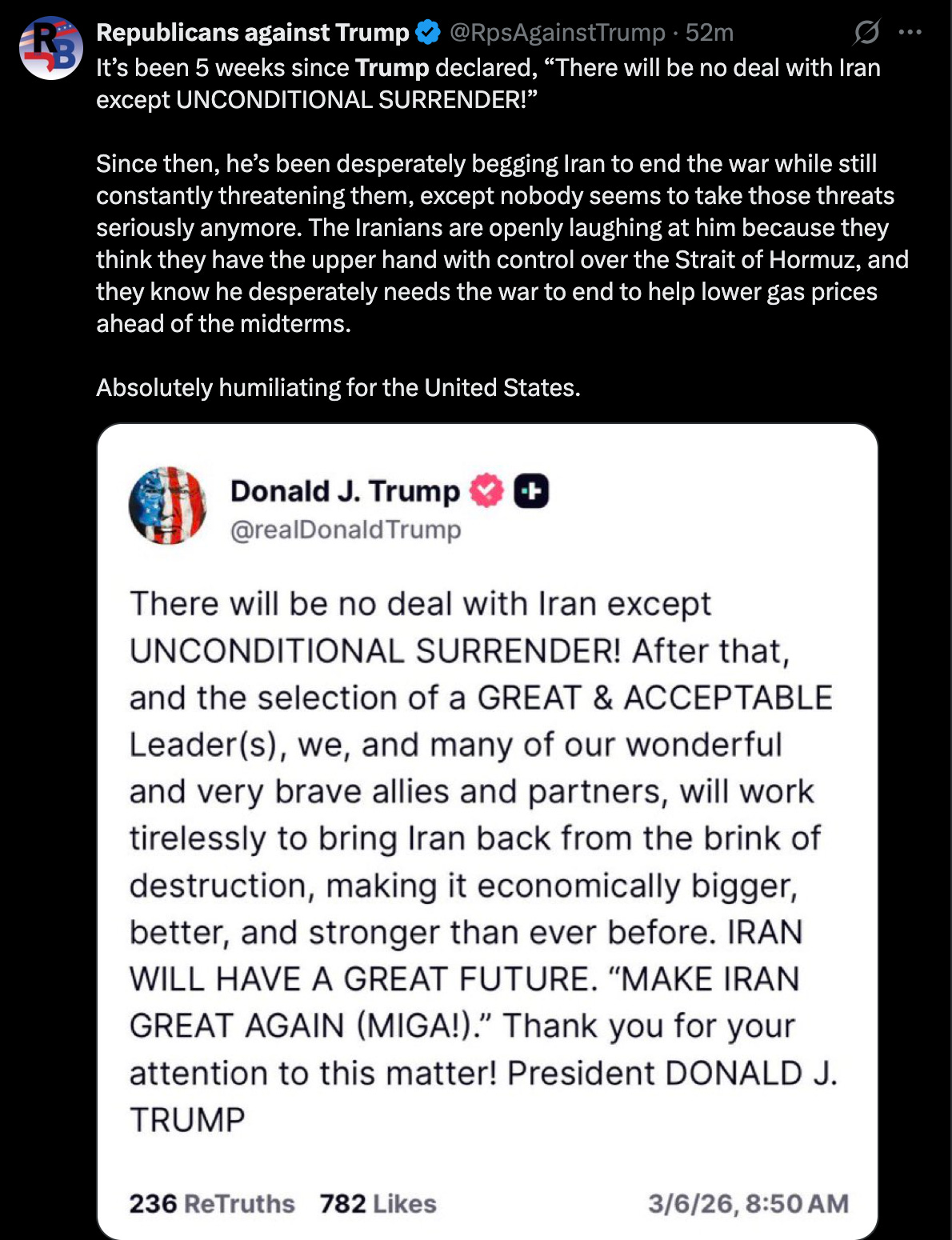
Iran không có bất kỳ động cơ nào để từ bỏ quyền kiểm soát Hormuz. Không hề có. Con số không tròn trĩnh. Eo biển này hiện là tài sản chiến lược quý giá nhất của họ — quý giá hơn nhiều so với chương trình hạt nhân mà họ trên danh nghĩa đã chiến đấu vì nó, và cũng quý giá hơn nhiều so với bất kỳ lực lượng ủy nhiệm nào mà họ từng sử dụng làm con bài mặc cả trong quá khứ. Chủ tịch Quốc hội Iran, ông Ghalibaf, đã công khai tuyên bố rằng: “Tình hình tại Eo biển Hormuz sẽ không bao giờ quay trở lại trạng thái như trước chiến tranh.” Đó không phải là lời huênh hoang. Đó chính là chính sách. Iran đã phải trải qua suốt bốn mươi năm nghe người ta nói rằng họ chẳng nắm trong tay chút lợi thế nào; thế nhưng giờ đây, họ lại đang nắm giữ con bài mặc cả quan trọng bậc nhất đối với nền kinh tế toàn cầu. Chế độ lãnh đạo kế tiếp — và chắc chắn sẽ có một chế độ mới ra đời; cuộc chiến trên không vừa qua đã tiêu diệt đủ số lượng lãnh đạo kỳ cựu để đảm bảo một cuộc chuyển giao quyền lực — sẽ thừa hưởng lợi thế đó và tận dụng triệt để nó. Việc ảo tưởng rằng họ sẽ đơn giản trả lại lợi thế ấy cho người khác chẳng khác nào việc hoàn toàn hiểu sai bản chất của những gì vừa mới diễn ra.
Các vương quốc quân chủ vùng Vịnh giờ đây không còn khả năng chống lại Iran nữa. Mạng lưới nhà máy lọc dầu của Ả Rập Xê Út, các cảng biển của Các Tiểu vương quốc Ả Rập Thống nhất (UAE), hay các trạm tiếp nhận khí hóa lỏng (LNG) của Qatar — tất cả đều nằm gọn trong tầm bắn dễ dàng của tên lửa, máy bay không người lái và các lực lượng ủy nhiệm do Iran hậu thuẫn; và tất cả các quốc gia này vừa tận mắt chứng kiến Hoa Kỳ thất bại trong việc bảo vệ những mục tiêu chiến lược quan trọng nhất của Israel, thất bại trong việc bảo vệ chính các căn cứ quân sự của Mỹ tại UAE và Bahrain, cũng như thất bại trong việc mở lại tuyến eo biển vốn được coi là huyết mạch sống còn của toàn bộ nền kinh tế khu vực này. Lời cam kết bảo đảm an ninh mà Mỹ đưa ra đã bị thực tế chứng minh là hoàn toàn vô giá trị. Riyadh và Abu Dhabi sẽ không đời nào mạo hiểm đặt cược sự tồn vong của quốc gia mình vào tay một bên bảo đảm vừa mới chứng minh rằng chính họ cũng chẳng thể bảo đảm được điều gì. Họ sẽ tìm cách thỏa thuận. Và thực tế là họ đã bắt đầu tiến hành các thỏa thuận đó rồi.
Về mặt thực địa, quân đội Hoa Kỳ hoàn toàn bất lực trong việc mở lại tuyến eo biển này. Đây chính là chi tiết khiến người ta phải đập bàn phẫn nộ. Xét về sức mạnh tuyệt đối, Hải quân Hoa Kỳ hiện là lực lượng hải quân hùng mạnh nhất trong toàn bộ lịch sử nhân loại. Thế nhưng, họ vừa phải trải qua suốt ba mươi tám ngày thực hiện “các chiến dịch tác chiến quy mô lớn” nhằm chống lại một thế lực mà chính chuyên gia Kagan phải mô tả là “chỉ thuộc hàng thứ yếu” — và để làm được điều đó, họ đã phải tiêu hao kho dự trữ vũ khí của mình xuống mức “thấp đến mức báo động”. “Dự án Tự do” (Project Freedom) — chiến dịch mới của Hải quân Mỹ, với cái tên ngày càng mang tính mĩ miều hóa, nhằm hộ tống từng tàu thương mại một đi qua Eo biển Hormuz — rốt cuộc chỉ mới đưa được vỏn vẹn hai con tàu đi qua trong suốt một tuần lễ. Chỉ hai tàu mà thôi. Trong khi đó, mức lưu lượng trung bình trước khi chiến tranh nổ ra là 130 tàu mỗi ngày. Khi Rubio mô tả “Dự án Tự do” (Project Freedom) vào thứ Ba, ông gọi đó là “bước đi đầu tiên” hướng tới việc thiết lập một “vùng bảo vệ” (protective bubble). Một cái bong bóng. Họ đang bảo vệ một cái bong bóng ngay trên một eo biển vốn từng là một tuyến đường cao tốc thông suốt.
Và sẽ chẳng có liên minh nào xuất hiện cả. Boris Pistorius đã tuyên bố điều đó một cách thẳng thắn. Các bộ ngành của Anh và Pháp tuy diễn đạt ít trực tiếp hơn, nhưng ý nghĩa thì cũng rõ ràng không kém. Khi được Trump kêu gọi trên mạng xã hội Truth Social hãy “tham gia sứ mệnh”, phía Hàn Quốc đã đáp lại bằng một câu trả lời lịch thiệp: “chúng tôi sẽ xem xét đề xuất này” — một câu nói mà trong ngôn ngữ ngoại giao, đồng nghĩa với việc: “chúng tôi sẽ không tham gia sứ mệnh này đâu”. Nhật Bản hiện đang quá bận rộn với việc xả kho dự trữ của chính mình, nên không còn nhân lực để điều động một lực lượng hải quân tới eo biển này. Ấn Độ thì đang bận mua dầu của Nga. Còn Trung Quốc — quốc gia có lợi ích gắn liền với lưu thông hàng hóa qua eo biển Hormuz lớn nhất, bỏ xa mọi quốc gia khác — lại vắng mặt một cách đầy lộ liễu; và cũng lộ liễu không kém ở chỗ họ chẳng hề mặn mà gì với việc dọn dẹp mớ hỗn độn do Mỹ gây ra — một mớ hỗn độn mà, nói thẳng ra, Bắc Kinh đang cảm thấy khá thích thú.
Hoa Kỳ đã kêu gọi thế giới chung tay giúp sức. Thế giới nhìn vào tình hình, làm một phép tính, và nhận ra một sự thật vô cùng phũ phàng: lần đầu tiên sau tám mươi năm, Hoa Kỳ thực sự không còn đủ năng lực để bảo đảm an ninh năng lượng toàn cầu nữa. Điều đó có nghĩa là ngay lúc này đây, thế giới đang tự tái cấu trúc lại chính mình dựa trên thực tế phũ phàng ấy.
Đây không chỉ đơn thuần là một chu kỳ tin tức nhất thời. Đây chính là một cuộc thay đổi trật tự. Chỉ có điều, đó lại không phải là cuộc thay đổi trật tự mà Trump và Hegseth từng hình dung trong đầu.
V. Trump và Hegseth: Sự dối trá chính là chính sách
Hãy nói thật rành mạch về điều mà chúng ta đang lên án ở đây, bởi lẽ điều đó vô cùng quan trọng.
Đây không phải là một thảm họa không thể lường trước. Đây không phải là một sự kiện “thiên nga đen” bất ngờ. Mọi diễn biến đã xảy ra đều đã được dự báo cụ thể: bởi Hội đồng Tham mưu trưởng Liên quân trong các cuộc họp báo cáo trước chiến tranh; bởi các chuyên gia phân tích tại mọi viện nghiên cứu lớn (trừ những viện do dòng họ Kagan điều hành); bởi các cựu chiến binh từng tham chiến trong mọi cuộc can thiệp trước đây của Mỹ tại vùng Vịnh; và thậm chí bởi chính Iran thông qua các tuyên bố công khai kéo dài suốt hai mươi năm qua. Kịch bản liên quan đến Eo biển Hormuz đã được mô phỏng kỹ lưỡng đến mức nó có hẳn một chuyên mục riêng trên Wikipedia. Thế nhưng, chính quyền này vẫn cứ bất chấp mà thực hiện nó.
Tại sao ư?
Bởi vì Trump cần một chiến thắng. Bởi vì Hegseth cần phải tỏ ra xứng tầm với vị trí Bộ trưởng Quốc phòng. Bởi vì logic chính trị của nhiệm kỳ thứ hai dưới thời Trump — với sự hỗn loạn trong nước, tỷ lệ ủng hộ sụt giảm, và tầng lớp cử tri cốt lõi ngày càng bất mãn — đòi hỏi phải có một cuộc phiêu lưu quân sự ở nước ngoài, với một kẻ phản diện rõ ràng và một cái kết nhanh gọn, mang tính trình diễn cao trên truyền hình. Dưới thời chính quyền Bush, người ta gọi đó là một “cuộc chiến nhỏ đầy vẻ vang”. Còn Hegseth, đứng trên bục phát biểu, lại gọi Chiến dịch “Midnight Hammer” (những đòn tấn công phủ đầu vào năm 2025) là “chiến dịch quân sự phức tạp và bí mật nhất trong lịch sử” — một tuyên bố cho thấy sự thiếu hụt kiến thức lịch sử trầm trọng đến mức lẽ ra nó phải chấm dứt sự nghiệp của ông ta ngay tại chỗ.
Nhưng không. Ông ta vẫn ngồi đó. Ông ta vẫn tự xưng là Bộ trưởng Chiến tranh. Ông ta vẫn đứng trên bục phát biểu tại Lầu Năm Góc để tuyên bố rằng lệnh ngừng bắn chưa hề bị phá vỡ ngay cả khi tên lửa đang bay rợp trời; rằng các chiến dịch không mang tính tấn công ngay cả khi tàu chiến đang bốc cháy; và rằng Iran đã bị “xóa sổ” ngay cả khi giá dầu diesel vừa chạm mốc 7,40 USD/gallon tại Los Angeles.
Người đàn ông này thực chất chỉ là một nhân vật chuyên xuất hiện trên các kênh tin tức truyền hình cáp, khoác lên mình bộ vest của Lầu Năm Góc. Vị trí mà ông ta đang nắm giữ đòi hỏi một tư duy chiến lược và hậu cần sắc bén, chặt chẽ nhất trong toàn bộ bộ máy chính quyền Mỹ. Thế nhưng, ông ta lại chẳng sở hữu bất kỳ phẩm chất nào trong số đó. Và những hậu quả từ sự lệch pha tai hại ấy hiện đang tác động trực tiếp — theo thời gian thực — lên cuộc sống của mọi người lao động trên hành tinh này: những người lái xe đi làm, những học sinh sinh viên bắt xe buýt đến trường, những chủ doanh nghiệp nhỏ cần dịch vụ vận chuyển hàng hóa, những người tiêu thụ thực phẩm được canh tác bằng phân bón nitơ, hay những người dân đang sống tại các quốc gia có nền kinh tế phụ thuộc vào nguồn dầu diesel nhập khẩu.
Nói cách khác, đó chính là tất cả chúng ta — không trừ một ai.
Cuộc chiến này là phi pháp. Không hề có sự ủy quyền nào từ Quốc hội cho các hành động thù địch ở quy mô này. Cũng chẳng có sự ủy quyền nào từ Liên Hợp Quốc. Không hề tồn tại một mối đe dọa cận kề nào đáng tin cậy. Chỉ có một vị Tổng thống khao khát chiến tranh, một Bộ trưởng Quốc phòng muốn tổ chức họp báo, và một bộ máy an ninh quốc gia — vốn đã được Kagan cùng nhóm cộng sự dành trọn ba mươi năm huấn luyện để làm đúng điều đó — đã đồng thanh nói “có”.
Và chính những kẻ đã nói “có” ấy, giờ đây lại đang viết những bài tiểu luận dài 4.000 từ trên tạp chí *The Atlantic* để bày tỏ sự ngạc nhiên tột độ trước tất cả những gì đã diễn ra.
VI. Những điều bạn nên làm trong tuần này
Thông thường tôi không viết các phần mang tính thực tiễn. Bản tin này vốn dĩ không thuộc thể loại đó. Nhưng Nuttall đã nói đến “vấn đề của những tuần tới”; Sri Lanka, Pakistan và Hàn Quốc thì không thể chờ đợi; việc Cơ quan Năng lượng Quốc tế (IEA) xả kho dự trữ cũng không thể kéo dài mãi; và tôi nghĩ rằng những độc giả của mình xứng đáng được nghe những lời lẽ thẳng thắn về những vấn đề thực tế.
Vì vậy:
Nếu bạn đang cân nhắc mua một chiếc xe điện (EV), thì các tính toán kinh tế giờ đây đã thay đổi. Tôi không khuyên bạn nên làm gì với khoản tiền tiết kiệm của mình. Tôi chỉ muốn nói rằng chi phí biên cho mỗi tuần sử dụng thêm một chiếc xe dùng động cơ đốt trong hiện đã cao hơn đáng kể so với tháng trước; và lợi ích biên của việc chuyển sang sử dụng điện — khả năng vẫn có thể di chuyển khi trạm xăng xếp hàng dài quanh cả dãy phố, hoặc đã cạn nhiên liệu, hay đang phải hạn chế lượng bán ra — cũng đã tăng lên tương ứng. Nếu điều kiện sạc điện của bạn cho phép, thì đây chính là thời điểm mà cán cân lợi ích đã nghiêng hẳn về phía xe điện.
Nếu có thể, hãy tích trữ ngay các loại lương thực thiết yếu vốn phụ thuộc nhiều vào hệ thống phân phối sử dụng nhiên liệu diesel. Không phải là mua sắm hoảng loạn, mà chỉ đơn thuần là dự trữ hợp lý cho nhu cầu gia đình. Cú sốc nguồn cung phân bón — hãy nhớ rằng khu vực Vịnh Ba Tư chiếm 30-35% lượng xuất khẩu urê toàn cầu và một tỷ trọng tương đương đối với amoniac — sẽ tác động đến giá ngũ cốc với độ trễ từ sáu đến chín tháng, nhưng chắc chắn nó sẽ ập đến. Hãy tích trữ đậu, gạo, yến mạch và các loại thực phẩm giàu protein đông lạnh. Đó là sự chuẩn bị tiêu chuẩn cho cuộc sống thường nhật, chứ không phải kiểu chuẩn bị cho ngày tận thế hay chiến tranh hạt nhân.
Nếu công việc của bạn phụ thuộc vào các chuỗi cung ứng vận chuyển hàng hóa vật chất, hãy trao đổi với cấp trên ngay trong tuần này về các kế hoạch dự phòng. Đặc biệt, cước vận tải hàng không sẽ tiếp tục leo thang — giá nhiên liệu máy bay tại Bắc Mỹ đã tăng 95% so với mức trước chiến tranh, và hiện chưa có dấu hiệu nào cho thấy tình hình sẽ hạ nhiệt trong ngắn hạn.
Nếu bạn là một công dân Mỹ, hãy gọi điện cho các đại diện Quốc hội của mình để bày tỏ quan điểm về Nghị quyết Quyền lực Chiến tranh (War Powers Resolution). Hiện tại, không hề có bất kỳ sự ủy quyền nào từ Quốc hội cho những hoạt động đang diễn ra tại khu vực Vịnh Ba Tư. Từ trước đến nay cũng chưa từng có. Chiến dịch “Project Freedom” đang được vận hành dựa trên cơ sở pháp lý mỏng manh đến mức hư không, vốn được chắp vá từ sự ủy quyền cho chiến dịch “Epic Fury” — điều mà chính Thượng nghị sĩ Rubio cũng đã thừa nhận là đã kết thúc từ lâu. Xét về mặt kỹ thuật, toàn bộ kiến trúc pháp lý làm nền tảng cho những hoạt động này thực chất chỉ là “hư không” (vapour).
Nếu bạn là một nhà báo hoặc một chuyên gia phân tích: hãy đọc bài viết của Kagan. Hãy đọc thật kỹ, đọc lại hai lần. Và hãy lưu ý xem bài viết đó còn thiếu sót những gì — sự suy ngẫm về đạo đức, sự tự vấn nội tâm, những tổn thất về con người, và tên tuổi cụ thể của những người đã ngã xuống. Cũng cần lưu ý đến điều đang hiện diện ở đây — sự thừa nhận mang tính chiến lược rằng dự án tân bảo thủ đã đi đến hồi kết. Đây là một văn kiện mang tầm quan trọng lịch sử, và nó xứng đáng được đọc như một lời thú nhận, đồng thời cũng là một lời cảnh báo.
Nếu bạn đang ở bên ngoài lãnh thổ Hoa Kỳ: hẳn bạn đã tự tính toán kỹ lưỡng cho riêng mình rồi. Bạn đang thắt chặt chi tiêu. Bạn đang tích trữ hàng hóa. Bạn đang thực hiện các biện pháp phòng ngừa rủi ro. Bạn không cần đến lời khuyên của tôi. Tuy nhiên, có lẽ bạn cần biết rằng vẫn có những người Mỹ đang dành sự quan tâm đến vấn đề này. Số lượng chúng tôi chưa nhiều. Nhưng vẫn có một số người.
VII. Khói lửa
Tôi muốn khép lại bài viết này bằng một câu nói đã cứ luẩn quẩn trong đầu tôi kể từ khi tôi đọc bài của Kagan vào thứ Bảy, bởi tôi nghĩ nó đã lột tả trọn vẹn toàn bộ sự việc.
Kẻ phóng hỏa ngửi thấy mùi khói.
Trong suốt ba mươi năm qua, một nhóm người cụ thể tại Washington — Kagan, Nuland, Frederick Kagan, mọi cá nhân ký tên vào mọi bức thư của PNAC, mọi chuyên gia tại bất kỳ viện nghiên cứu nào có từ “Mỹ”, “Quốc phòng”, hay “An ninh” trong tên gọi — đã lập luận rằng Hoa Kỳ buộc phải thống trị Trung Đông về mặt quân sự. Rằng việc thay đổi chế độ tại Iraq sẽ dân chủ hóa toàn bộ khu vực này. Rằng áp lực tối đa lên Iran sẽ hoặc lật đổ chế độ đó, hoặc khiến nó trở nên vô hại. Rằng Hoa Kỳ có thể bảo đảm an ninh cho các vương quốc Ả Rập vùng Vịnh vô thời hạn. Rằng vũ khí Mỹ, tình báo Mỹ, sức mạnh hải quân Mỹ và quyết tâm của người Mỹ là đủ để giữ cho hệ thống năng lượng toàn cầu vận hành trơn tru theo các điều kiện của Mỹ mãi mãi.
Giờ đây, mọi luận điểm trong số đó đều đã bị thực tiễn bác bỏ hoàn toàn. Ngay trong thời gian thực. Chỉ trong vỏn vẹn bảy mươi ngày. Bởi một cuộc chiến lẽ ra phải là đỉnh cao của dự án này, nhưng rốt cuộc lại trở thành cáo phó cho chính nó.
Và người đàn ông — kẻ mà xét trên nhiều phương diện, chính là kiến trúc sư trưởng của thế giới quan đã dẫn đến thảm họa này — vừa mới ngồi xuống, viết bài đăng trên tạp chí *The Atlantic*, và nói một cách bóng gió rằng: chúng ta đã thua.
Ông ta vẫn không thể nào thốt lên lời thừa nhận rằng chính chúng ta đã gây ra thảm họa này. Ông ta vẫn không thể nào nhắc đến những người đã ngã xuống — 165 nữ sinh thiệt mạng chỉ trong một đợt không kích, hàng ngàn thường dân Iran hứng chịu bom đạn, những công nhân trên các tàu chở dầu đang bốc cháy, đội ngũ nhân viên tại các cảng biển ở Bahrain, những hành khách trên các chuyến xe buýt ở Tel Aviv, và binh lính đến từ hàng chục quốc gia khác nhau. Không một ai trong số họ xuất hiện trong bài viết của ông ta. Đối với ông ta, đây chỉ đơn thuần là một bài toán cờ vua chiến lược, mà trong đó, các quân cờ tình cờ lại là những con người.
Thế nhưng, bài toán cờ vua chiến lược ấy lại chính là vấn đề đạo đức. Hai khía cạnh này không hề tách biệt. Một cuộc chiến được phát động bởi những kẻ lừa dối, được rao bán bởi những kẻ lừa dối, được điều hành bởi những kẻ lừa dối, và cuối cùng bị thua cuộc bởi chính những kẻ lừa dối ấy — thì trước hết, đó là một thảm họa về mặt đạo đức, chứ chưa phải là thảm họa chiến lược. Và thảm họa chiến lược chính là hệ quả trực tiếp của thảm họa đạo đức đó; bởi lẽ, chính sự thiếu năng lực tư duy sáng suốt đã sản sinh ra những lời dối trá, cũng chính là nguyên nhân dẫn đến những sai lầm tác chiến tai hại; và chính sự ngạo mạn đã phớt lờ những cảnh báo về eo biển Hormuz, cũng chính là sự ngạo mạn đã phớt lờ những cảnh báo về cái giá phải trả của con người. Trump sẽ dành sáu tháng tới để cố gắng xoay chuyển cách nhìn nhận về một thất bại. Hegseth sẽ dành sáu tháng tới để tổ chức các cuộc họp báo, nơi từ “bị xóa sổ” xuất hiện nhiều hơn cả từ “thực sự”. Các đài truyền hình cáp sẽ dao động qua lại giữa sự phẫn nộ giả tạo và sự lạc quan giả tạo. Kho dự trữ sẽ tiếp tục cạn dần. Những hàng dài chờ đổ xăng sẽ ngày càng nối dài thêm. Cước phí vận chuyển sẽ leo thang. Chi phí phân bón sẽ ngấm dần vào giá bánh mì.
Và đâu đó tại Washington, Bob Kagan đang nhâm nhi ly rượu vang và cảm nhận—có lẽ là lần đầu tiên trong đời trưởng thành của mình—một thoáng cảm giác thoang thoảng tựa như nỗi sợ hãi. Không phải sợ cho những nữ sinh. Không phải sợ cho những tài xế xe tải ở Karachi. Không phải sợ cho những gia đình ở Sri Lanka đang phải xuất trình mã QR để mua nhu yếu phẩm. Mà là sợ cho “dự án” đó. Sợ cho tòa kiến trúc vững chãi suốt ba mươi năm mà ông đã góp tay xây dựng, thứ vừa sụp đổ ngay trên chính nền móng của nó, ngay trước mắt ông.
Kẻ phóng hỏa ngửi thấy mùi khói. Và cuối cùng, dù chỉ mới lờ mờ thôi, hắn cũng bắt đầu nhận ra rằng ngôi nhà đó chính là của hắn.
Giờ đây, người Mỹ buộc phải gánh chịu những hậu quả, và những hậu quả đó sẽ vô cùng tồi tệ trong suốt nhiều THÁNG trời. Thậm chí có thể kéo dài nhiều năm.
Vậy nên, hãy lo tích trữ đi nhé các bạn.
Nếu bài viết này hữu ích với bạn, hãy chia sẻ nó. Cuộc khủng hoảng năng lượng sẽ ngày càng trầm trọng, những hệ lụy chính trị sẽ chồng chất, và các phương tiện truyền thông chính thống sẽ luôn đi sau diễn biến thực tế tới ba tuần trong suốt cả năm tới. Những người đã nhìn thấy trước viễn cảnh này từ hồi tháng Hai đã đúng trong từng bước đi kể từ đó đến nay. Chẳng có lý do gì để mong đợi điều đó sẽ thay đổi vào lúc này cả.
Hãy mua xe điện đi. Hãy lấp đầy tủ lương thực của bạn. Hãy gọi điện cho đại diện lập pháp của bạn. Và hãy luôn tỉnh táo.