





















BAKU WIRES INVESTIGATION: Why does it matter if the Trump family took in millions from Iranian developers?
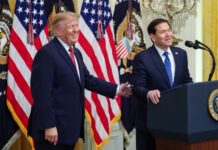
On September 9, 2015, Donald Trump stood on the West Lawn of the Capitol, with Ted Cruz at his shoulder, addressing a Tea Party crowd in the late summer heat. “Never, ever, ever in my life have I seen any transaction so incompetently negotiated as our deal with Iran,” he told the crowd, who roared in approval.
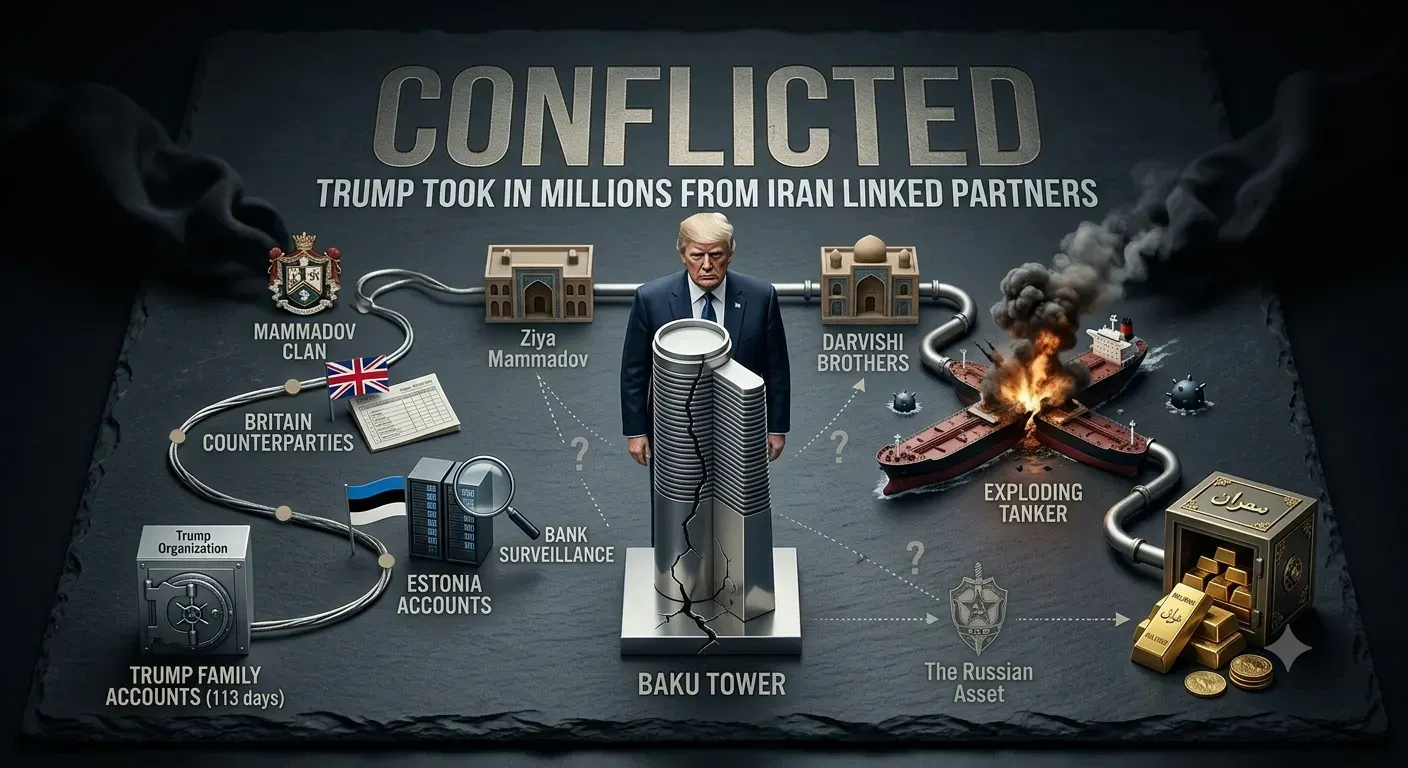
As he spoke, his Baku partners were sending money to his family business. Foreign counterparties in Britain routed millions of dollars intended for the Trump Tower in Baku through Estonian bank accounts and directly into Donald Trump’s family accounts. His family took these payments continuously for another 113 days, keeping the financial channel open throughout his campaign rhetoric. Today, compliance lawyers at his own bank are demanding every record of those payments.
Capital One’s legal team detailed these transactions in a formal demand list—focusing on the family’s Baku payments, a ghost buyer in Las Vegas, a rink account, and consulting fees paid to Trump’s children. While journalists often analyze these items individually, Capital One examiners evaluated them as an interconnected pattern. For four years, compliance officers operating under Project Safeguard conducted weekly reviews of the family’s financial activities: payments received during the campaign, millions from a hidden buyer around the Republican nomination, rink checks during the reelection push, and consulting fees paid to Trump’s children the month after he left office. Examiners framed this inquiry around a major political concern: whether an adversary’s funds reached a political candidate during his run for—and tenure in—the presidency.
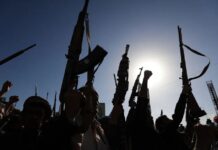
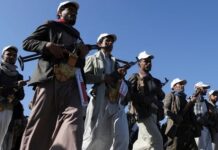
Why do potential financial ties between the Trumps and the Islamic Revolutionary Guard Corps (IRGC) matter? Start with the human cost. IRGC forces killed American soldiers at U.S. bases during recent Middle East hostilities, directed under the President’s command — 15 to 17 American service members are dead and more than 400 wounded, the newest of them killed at a Jordanian air base in July. Trump designated the Guard a foreign terrorist organization in 2019, and Congress established strict criminal penalties for knowingly receiving its funds under material support and sanctions laws. A commander in chief whose family accepted money linked to a foreign adversary creates severe national security concerns.
Capital One executives formally raised this issue in response to a civil lawsuit Trump filed alleging the institution “debanked” him for political reasons. Bank representatives answered that compliance teams closed his 300 accounts “for anti-money laundering (‘AML’) reasons.” The bank’s lawyers subsequently served a demand list requiring explanations for specific payments—explicitly naming the Baku project in Request No. 15.