






















Ý kiến của Fareed Zakaria
Những độc giả thường xuyên theo dõi chuyên mục này đều biết rằng tôi chưa bao giờ là người hâm mộ chính sách đối ngoại của Tổng thống Donald Trump trong nhiệm kỳ thứ hai của ông. Từ việc đe dọa chiếm Greenland và sáp nhập Canada, đơn phương đẩy thuế quan lên mức cao ngất ngưởng, cho đến thảm họa chiến tranh với Iran, ông Trump luôn tỏ ra liều lĩnh, hỗn loạn và gây bất ổn sâu sắc. Tuy nhiên, rất có thể ông lại sở hữu những trực giác đúng đắn — và thậm chí là cả chính sách đúng đắn — trong một lĩnh vực then chốt: mối quan hệ Mỹ – Trung.
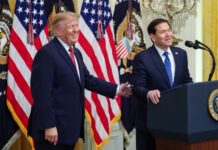
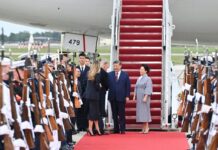
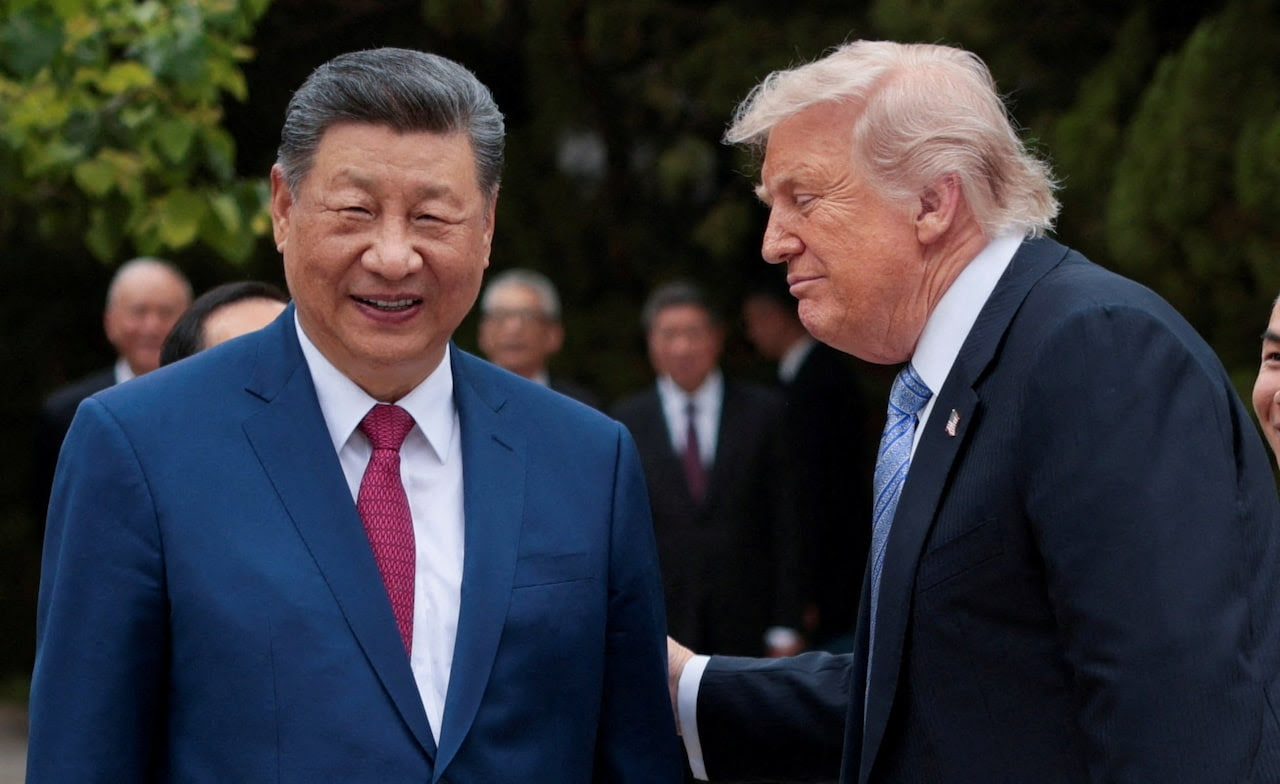
Trong những tương tác gần đây của ông Trump với Chủ tịch Trung Quốc Tập Cận Bình, chúng ta đã chứng kiến một khía cạnh hiếm thấy ở ông. Ông tỏ ra tôn trọng, thậm chí gần như nhún nhường, và luôn sốt sắng nhấn mạnh mối quan hệ cá nhân tốt đẹp giữa hai người. Ngược lại, ông Tập vẫn giữ thái độ trang trọng, kỷ luật và không bao giờ tỏ ra quá nồng nhiệt. Sự chênh lệch này đã lộ rõ.
Ông Trump bị ám ảnh bởi quyền lực. Thay vì tư duy dựa trên hệ tư tưởng hay các giá trị, ông lại suy tính dựa trên các đòn bẩy và sự thống trị. Ông thường xuyên buông lời xúc phạm các đồng minh châu Âu bởi ông hiểu rõ họ vẫn phụ thuộc đến mức nào vào sự bảo trợ quân sự của Mỹ cũng như khả năng tiếp cận thị trường Hoa Kỳ. Ông Trump rất nhạy bén trong việc nhận diện điểm yếu và biết cách tận dụng triệt để những điểm yếu đó.
Tuy nhiên, đối với Trung Quốc, ông đã thấu hiểu một điều mà phần lớn giới chính trị tại Washington vẫn còn chật vật để chấp nhận về mặt cảm xúc: Bắc Kinh sở hữu sức mạnh nội tại khổng lồ — trên các phương diện kinh tế, công nghệ, công nghiệp và quân sự — và họ hoàn toàn có khả năng vận dụng sức mạnh đó một cách hiệu quả. Chính vì thế, ông Trump đã chuyển dịch từ thái độ hiếu chiến sang một cách tiếp cận phức tạp hơn, kết hợp đan xen giữa sự cạnh tranh và hợp tác. Có lẽ, đó chính là điều mà mối quan hệ này thực sự đòi hỏi.
Hãy thử đặt chuyến thăm của ông Trump lên bàn cân so sánh với cuộc gặp gỡ đầu tiên giữa các quan chức chính quyền Biden và những người đồng cấp phía Trung Quốc tại Anchorage vào năm 2021. Phía Mỹ đã mở màn bằng một màn quở trách công khai, được phát sóng trên truyền hình, nhằm vào Trung Quốc về các vấn đề nhân quyền, tấn công mạng và trật tự quốc tế. Các nhà ngoại giao Trung Quốc cũng đáp trả một cách nghiêm khắc và gay gắt không kém. Đó không giống một cuộc trao đổi ngoại giao nghiêm túc, mà đúng hơn là một màn đấu khẩu ồn ào thường thấy trên các kênh tin tức truyền hình.
Nhiều chính trị gia thuộc phe Dân chủ ôn hòa luôn nơm nớp lo sợ bị gán cho cái mác “mềm yếu trước Trung Quốc”. Vì vậy, họ thường có xu hướng phản ứng thái quá trong ngôn từ, sử dụng những tuyên bố cứng rắn đến mức cực đoan và đẩy cao các cuộc đối đầu mang tính biểu tượng. Mặc dù từng bày tỏ sự hoài nghi đối với các mức thuế quan mà ông Trump áp lên hàng hóa Trung Quốc, đồng thời cam kết sẽ dỡ bỏ chúng, Tổng thống Joe Biden rốt cuộc vẫn giữ nguyên gần như toàn bộ các mức thuế này. Hơn nữa, trong suốt nhiệm kỳ tổng thống của mình, ông Biden chưa từng thực hiện chuyến thăm nào tới Trung Quốc, cũng như không hề gửi lời mời ông Tập tới thăm Washington.
Đội ngũ của ông Biden cũng tán thành cáo buộc — vốn được đưa ra dưới thời chính quyền Trump đầu tiên — rằng các hành động của Trung Quốc tại khu vực Tân Cương cấu thành tội diệt chủng; đây là một thuật ngữ gợi lên những chiến dịch tiêu diệt quy mô công nghiệp, chẳng hạn như thảm họa Holocaust hay cuộc tàn sát năm 1994 tại Rwanda. Các nhà tù và trại cải tạo của Trung Quốc tại Tân Cương quả thực rất tàn bạo và kinh hoàng, và hàng chục học giả đã gọi các hành động của nước này đối với người Duy Ngô Nhĩ là tội diệt chủng. Tuy nhiên, như tờ *The Economist* đã lưu ý, đó không phải là điều mà hầu hết mọi người nghĩ đến khi nhắc tới từ ngữ này.
“Siêu năng lực” của ông Trump nằm ở chỗ ông không thể bị phe cánh hữu công kích. Ông lên nắm quyền sau cuộc bầu cử năm 2016 với những lời lẽ đả kích dữ dội nhắm vào Bắc Kinh, quy trách nhiệm cho nước này về việc mất đi các việc làm trong ngành sản xuất, tình trạng mất cân bằng thương mại cũng như sự suy thoái công nghiệp của Hoa Kỳ. Theo một khía cạnh nào đó, sự ví von ở đây không phải là hình ảnh “Nixon đến Trung Quốc”, mà đúng hơn là hình ảnh Tổng thống Ronald Reagan — một “diều hâu” hạng nặng, thậm chí còn thiên hữu hơn cả Tổng thống Richard M. Nixon — lại đến thăm Liên Xô. Ông Trump hoàn toàn có khả năng thực hiện một bước chuyển hướng tương tự, chính xác là bởi vì tầng lớp cử tri nền tảng của ông sẽ đi theo bất cứ nơi nào ông dẫn dắt. Người ta chỉ cần nhìn vào việc nhiều nhân vật thuộc phong trào MAGA đã nhanh chóng thay đổi lập trường về vấn đề can thiệp vào Iran như thế nào, ngay khi ông Trump phát đi tín hiệu ủng hộ hành động quân sự.
Tại sao một cách tiếp cận mang tính hợp tác hơn đối với Trung Quốc lại được coi là hợp lý? Bởi lẽ sự thật là Trung Quốc không phải là Liên Xô. Theo một thước đo kinh tế, quy mô nền kinh tế Liên Xô vào thời điểm kết thúc Chiến tranh Lạnh thậm chí còn nhỏ hơn cả nền kinh tế Ý. Ngược lại, Trung Quốc hiện là nền kinh tế lớn thứ hai thế giới, là đối tác thương mại hàng đầu của hơn 120 quốc gia, đồng thời là một cường quốc công nghệ trong nhiều lĩnh vực — từ xe điện và pin lưu trữ, cho đến máy bay không người lái, sản xuất tiên tiến và trí tuệ nhân tạo. Sản lượng sản xuất công nghiệp của nước này thậm chí còn vượt xa tổng sản lượng của Hoa Kỳ, Nhật Bản và Đức cộng lại.
Việc cố gắng phát động một cuộc Chiến tranh Lạnh toàn diện chống lại một quốc gia như vậy sẽ hoàn toàn khác biệt so với cuộc đấu tranh chống lại Liên Xô trong bối cảnh thế giới khi ấy vốn đã bị chia cắt thành hai phe đối địch. Điều đó đồng nghĩa với việc xé toạc chính nền kinh tế toàn cầu. Người tiêu dùng Mỹ sẽ phải đối mặt với tình trạng giá cả leo thang và những cú sốc về nguồn cung. Các doanh nghiệp Hoa Kỳ sẽ mất quyền tiếp cận một trong những thị trường lớn nhất thế giới. Các trường đại học sẽ đánh mất nhiều sinh viên ưu tú hàng đầu. Mối nguy hiểm ở đây không chỉ đơn thuần là những tổn thất về mặt kinh tế; mà còn là sự hình thành của hai khối đối địch về công nghệ và địa chính trị, đang trượt dài vào vòng xoáy đối đầu ngày càng leo thang.
Tất nhiên, Hoa Kỳ và Trung Quốc là những đối thủ cạnh tranh của nhau. Đó là điều không thể tránh khỏi trong một thế giới lưỡng cực. Họ sẽ cạnh tranh trên các phương diện kinh tế, quân sự và chiến lược trong nhiều thập kỷ tới. Tuy nhiên, sự đối địch không nhất thiết phải dẫn đến sự đoạn tuyệt hoàn toàn. Trong những tuần cuối đời, Henry Kissinger đã chia sẻ với tôi rằng các nhà lãnh đạo của cả hai quốc gia cần luôn tâm niệm bài học từ năm 1914: khi sự cạnh tranh mang màu sắc chủ nghĩa dân tộc được đẩy tới cùng mà không màng đến hậu quả, nó đã châm ngòi cho một cuộc chiến tranh thế giới, làm đảo lộn toàn bộ trật tự toàn cầu.
Trong kỷ nguyên của trí tuệ nhân tạo, chiến tranh mạng và vũ khí hạt nhân, việc duy trì các kênh hợp tác trở nên quan trọng hơn bao giờ hết. Hai quốc gia nên cạnh tranh quyết liệt, nhưng đồng thời vẫn duy trì giao thương, đối thoại và hợp tác ở những lĩnh vực khả thi — chẳng hạn như ổn định hạt nhân, an toàn AI, các đại dịch và khủng hoảng tài chính. Trong thời kỳ Chiến tranh Lạnh, Washington và Moscow vẫn duy trì các cuộc đàm phán kiểm soát vũ khí ngay cả vào những thời điểm căng thẳng thù địch nhất, bởi cả hai bên đều thấu hiểu rằng một cuộc đối đầu mất kiểm soát có thể dẫn đến thảm họa.
Điều đó vẫn hoàn toàn đúng đắn trong bối cảnh hiện nay. Và nếu ông Trump — xuất phát từ những lý do thiên về bản năng hơn là triết lý — đã nhận thức được thực tế cơ bản này, thì ít nhất trên phương diện này, chủ nghĩa thực dụng của ông là hoàn toàn hợp lý.
The Washington Post