
























Washington đã triển khai chiến dịch mà không thông báo trước cho các đồng minh chủ chốt tại vùng Vịnh. Sau đó, ông Trump đã đột ngột hủy bỏ nó.
Ngày 8 tháng 5 năm 2026 Theo Courtney Kube, Mosheh Gains, Garrett Haake và Natasha Lebedeva
Các quan chức Saudi Arabia đã rất giận dữ trước thông báo bất ngờ của Tổng thống Donald Trump về việc Mỹ sẽ bắt đầu dẫn đường cho các con tàu đi qua eo biển Hormuz. Họ lo ngại động thái này có thể kích động thêm các cuộc tấn công của Iran vào các đồng minh vùng Vịnh và làm bùng phát trở lại xung đột.
NBC News đưa tin trong tuần này rằng Washington đã phát động chiến dịch mà không hề thông báo trước cho các đồng minh then chốt. Để đáp trả, Vương quốc này đã thông báo với Mỹ rằng họ sẽ không cho phép quân đội Mỹ cất cánh máy bay từ Căn cứ Không quân Prince Sultan (phía đông nam Riyadh) hoặc bay qua không phận Saudi để hỗ trợ nỗ lực này. Ông Trump đã tạm dừng chiến dịch 36 giờ sau khi bắt đầu, và không phận sau đó đã được mở lại.
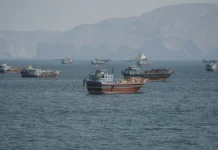
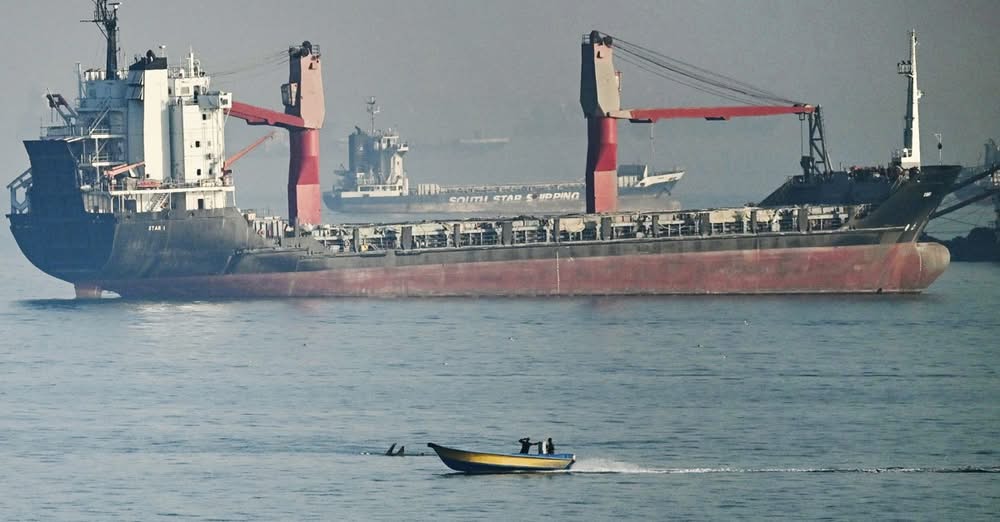
Chiến dịch Tự do (Project Freedom) là nỗ lực của chính quyền Trump nhằm khôi phục lưu thông qua eo biển vốn bị Iran phong tỏa kể từ khi cuộc chiến do Mỹ và Israel dẫn đầu bắt đầu. Chiến dịch diễn ra sau khi một lệnh ngừng bắn được công bố vào ngày 8 tháng 4 để thúc đẩy một thỏa thuận hòa bình. Hiện Mỹ và Iran đang trong quá trình đàm phán.
Khác với một số quốc gia trong khu vực, Saudi Arabia vẫn có thể vận chuyển dầu mà không cần tàu đi qua eo biển Hormuz. Đường ống Đông-Tây của họ, dài 750 dặm từ Vịnh Ba Tư đến Biển Đỏ, cho phép bỏ qua eo biển và có thể xuất khẩu hàng triệu gallon dầu mỗi ngày. Đường ống này giúp Saudi có vị thế tốt hơn nếu eo biển tiếp tục bị đóng cửa hoặc quá nguy hiểm.
Phản ứng từ các đồng minh
Đại sứ, Tiến sĩ Rayed Krimly, Thứ trưởng Ngoại giao Saudi đặc trách ngoại giao công chúng, đã đăng trên X: “Vương quốc Saudi Arabia tiếp tục ủng hộ việc hạ nhiệt căng thẳng, tránh leo thang, cũng như ủng hộ các cuộc đàm phán và những nỗ lực thực hiện chúng.”
Một quan chức Trung Đông cho biết Vương quốc này ưu tiên ngoại giao, nhưng bảo lưu quyền tự vệ. “Cách thức thực thi Chiến dịch Tự do là mạo hiểm và có thể đã kích ngòi cho sự leo thang,” vị quan chức nói, cảnh báo rằng các đồng minh vùng Vịnh có thể phải hứng chịu những cuộc tấn công “thảm khốc”.
Ngoài Saudi Arabia, Kuwait cũng tuyên bố sẽ thu hồi quyền sử dụng các căn cứ và không phận của quân đội Mỹ để hỗ trợ Chiến dịch Tự do cho đến khi ông Trump đảo ngược quyết định. Quân đội Mỹ gọi quyền sử dụng lãnh thổ quốc gia khác là ABO (Truy cập, Căn cứ và Bay qua). Saudi Arabia và Jordan đóng vai trò then chốt cho việc đặt căn cứ máy bay, Kuwait quan trọng cho việc bay qua, và Oman quan trọng cho cả bay qua lẫn hậu cần hải quân.
Sự bối rối tại Washington
Nhà Trắng từ chối cho biết liệu hoặc khi nào Chiến dịch Tự do sẽ tiếp tục. Một quan chức cấp cao của chính quyền Trump cho biết: “Trọng tâm hiện tại là hoàn tất một thỏa thuận.”
Các quan chức cho biết khi các đồng minh vùng Vịnh hỏi Mỹ sẽ phản ứng thế nào trước sự gây hấn của Iran, phía Mỹ đã làm rõ rằng thỏa thuận hòa bình là ưu tiên hàng đầu và Mỹ có khả năng sẽ không đáp trả các cuộc tấn công của Iran vào cơ sở hạ tầng trong khu vực.
Tổng thống đã công bố chiến dịch vào Chủ nhật qua một bài đăng trên mạng xã hội. Các cố vấn an ninh quốc gia của ông đã dành 36 giờ sau đó để quảng bá nỗ lực giúp đỡ các tàu thương mại, nhưng rồi ông Trump lại đột ngột hủy bỏ nó.
Tình hình thực địa căng thẳng
Mặc dù ông Trump khẳng định lệnh ngừng bắn vẫn có hiệu lực, căng thẳng vẫn tiếp diễn:
-
Thứ Sáu (8/5): Bộ Chỉ huy Trung tâm Mỹ (CENTCOM) cho biết đã bắn vào hai tàu chở dầu bị cáo buộc vi phạm lệnh phong tỏa các cảng của Iran.
-
Giao tranh: Trước đó một ngày, Mỹ và Iran đã đấu hỏa lực gần eo biển Hormuz – nơi từng chiếm 20% lượng dầu thế giới trước khi cuộc xung đột nổ ra vào ngày 28/2.
-
Giao thông đình trệ: Dữ liệu từ S&P và Bloomberg cho thấy không có lưu thông tàu bè nào tại eo biển Hormuz trong ngày thứ Sáu, đánh dấu ngày thứ ba liên tiếp “vắng bóng” tàu bè.
Tổng thống tuyên bố có thể đạt được thỏa thuận với Iran trước khi ông tới Bắc Kinh vào tuần tới để gặp Chủ tịch Trung Quốc Tập Cận Bình. “Mọi chuyện chỉ kết thúc khi nó thực sự kết thúc,” ông Trump nói với NBC News. “Nhưng chúng ta chắc chắn đã thắng về mặt quân sự. Chúng ta phải khiến họ ra khỏi hang và ký vào bản thỏa thuận.”
Trong khi đó, Bộ trưởng Ngoại giao Trung Quốc Vương Nghị đã gặp các lãnh đạo Iran tuần này, nhấn mạnh rằng một lệnh ngừng bắn toàn diện là “cấp thiết” và việc tái diễn các hành động thù địch là “không thể chấp nhận được”.
Nguồn : The Hill
Saudi officials were angered by President Donald Trump’s surprise announcement that the U.S. would start guiding ships through the Strait of Hormuz, fearing the move could spur more Iranian attacks on Gulf allies and reignite the conflict, two U.S. officials said.
NBC News reported this week that Washington launched the operation without notifying key Gulf allies first.
In response, the Kingdom informed the U.S. it would not allow the U.S. military to fly aircraft from Prince Sultan Airbase southeast of Riyadh or fly through Saudi airspace to support the effort, the officials said. Trump paused the operation 36 hours after it was started, and the airspace was reopened.
Project Freedom was the Trump administration’s effort to get traffic moving through the strait that has been blocked by Iran since the U.S. and Israel-led war began. The operation came after a ceasefire was declared April 8 to broker a peace deal. The U.S. and Iran are negotiating.
Unlike some other countries in the region, Saudi Arabia can still move oil without ships transiting the Strait of Hormuz. Their East-West pipeline, which runs 750 miles from the Persian Gulf to the Red Sea, bypasses the strait and can export millions of gallons of oil every day. The pipeline better positions the Saudis if the strait remains closed or too dangerous to transit because they can still move their oil out of the region.
“The Kingdom of Saudi Arabia continues to stand in support of de-escalation and avoiding escalation, as well as negotiations and the efforts undertaken regarding them,” Ambassador Dr. Rayed Krimly, the Saudi deputy minister for public diplomacy, posted on X.
A Middle East official said the Kingdom preferred diplomacy, but reserves the right to self-defense and supports Gulf allies’ right to self-defense.
“The way Project Freedom was to be executed was risky and could have triggered escalation,” the official said. Gulf allies could have suffered “catastrophic” strikes, the official said. “All was resolved though within hours and was less dramatic than it sounds,” the official said.
The official said these issues would have been handled previously with a few phone calls, “but given the world we live in today the rush to put things out on social media puts things on high focus,” the official said.
The White House will not say whether or when Project Freedom will resume, and the president reserves all options available to him, according to a senior White House official. The White House continues to dispute that there were ever restrictions placed on the U.S. related to the operation.
“The focus is on getting a deal done,” according to the senior Trump administration official.
One of the officials said the operation would not resume anytime soon because the Gulf allies’ concerns remained.
When the Saudis and other Gulf allies spoke with both Trump administration and U.S. military officials to express their concerns that the operation might be too risky, and to ask how the U.S. would respond to Iranian aggression over the operation, the U.S. made clear that a peace deal was the primary focus and the U.S. would likely not respond to Iranian strikes on infrastructure in the region, the U.S. officials said.
The president announced the operation Sunday in a social media post, and his top national security advisers spent the next 36 hours talking up the effort to help commercial vessels through the strait, only for Trump to abruptly call it off.
The U.S. military had been lining up a number of additional ships in the Gulf for transit through the strait when the operation was stopped, a third U.S. official said. U.S. Central Command had earlier announced that two U.S.-flagged ships had made it through the strait as part of the operation.

Kuwait also said it would revoke U.S. military use of its bases and airspace to support Project Freedom until Trump reversed course, according to the two officials. The Kuwaiti embassy didn’t immediately return a message seeking comment.
The U.S. military refers to permission to use another country’s territory as ABO, which stands for access, basing and overflight. Fighter jets, refueling tankers and support aircraft all need permission to fly from key regional allies. Saudi Arabia and Jordan are critical for allowing aircraft to base there, Kuwait is critical for overflight, and Oman for both overflight and naval logistics.
The White House has previously said that “regional allies were notified in advance.”
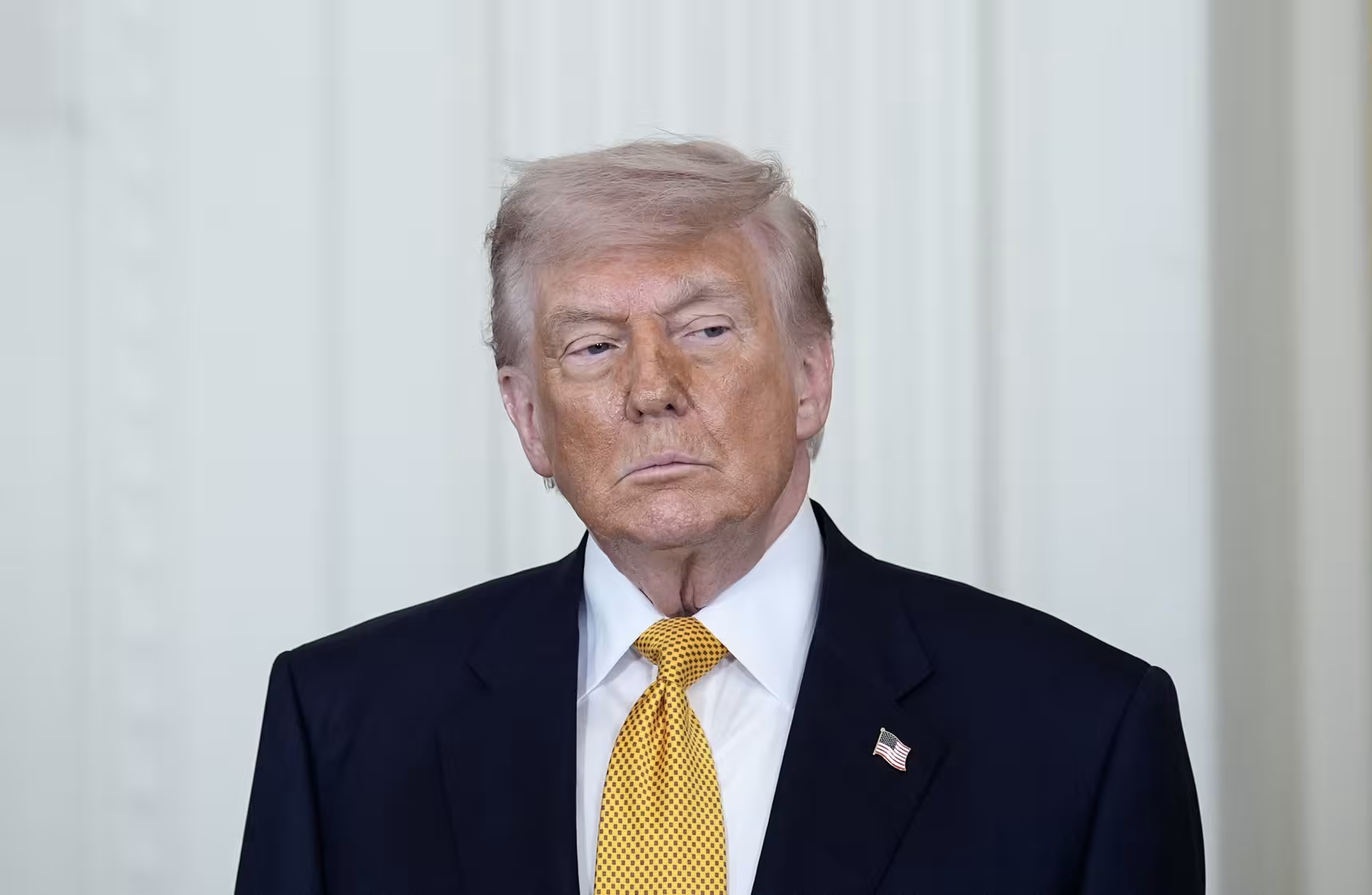
The president has said it’s possible U.S. negotiators could strike a deal with Iran’s regime before he travels to Beijing next week for meetings with his Chinese counterpart, Xi Jinping.
But on Friday, U.S. Central Command said it had fired on two more tankers that allegedly violated its blockade of Iranian ports after the U.S. and Iran exchanged fire a day earlier near the strait, which 20% of the world’s oil used to pass through before the U.S. and Israel attacked Iran on Feb. 28.
The president insisted the ceasefire remained in effect, even as he acknowledged the conflict was not over.
“It’s over when it’s over,” the president told NBC News. “But we certainly have won militarily. We have to get people to come out of the caves [in Iran] and sign something.”
There was no ship traffic observed in the Strait of Hormuz Friday, the third day in a row that traffic has been nonexistent, according to S&P and Bloomberg data.
China’s Foreign Minister Wang Yi met with Iranian leaders this week and said it was critical the war ended as soon as possible.
“We believe that a comprehensive ceasefire is urgently needed, that a resumption of hostilities is not acceptable, and that it is particularly important to remain committed to dialogue and negotiations,” Wang said in a video of the meeting according to The Associated Press.