




























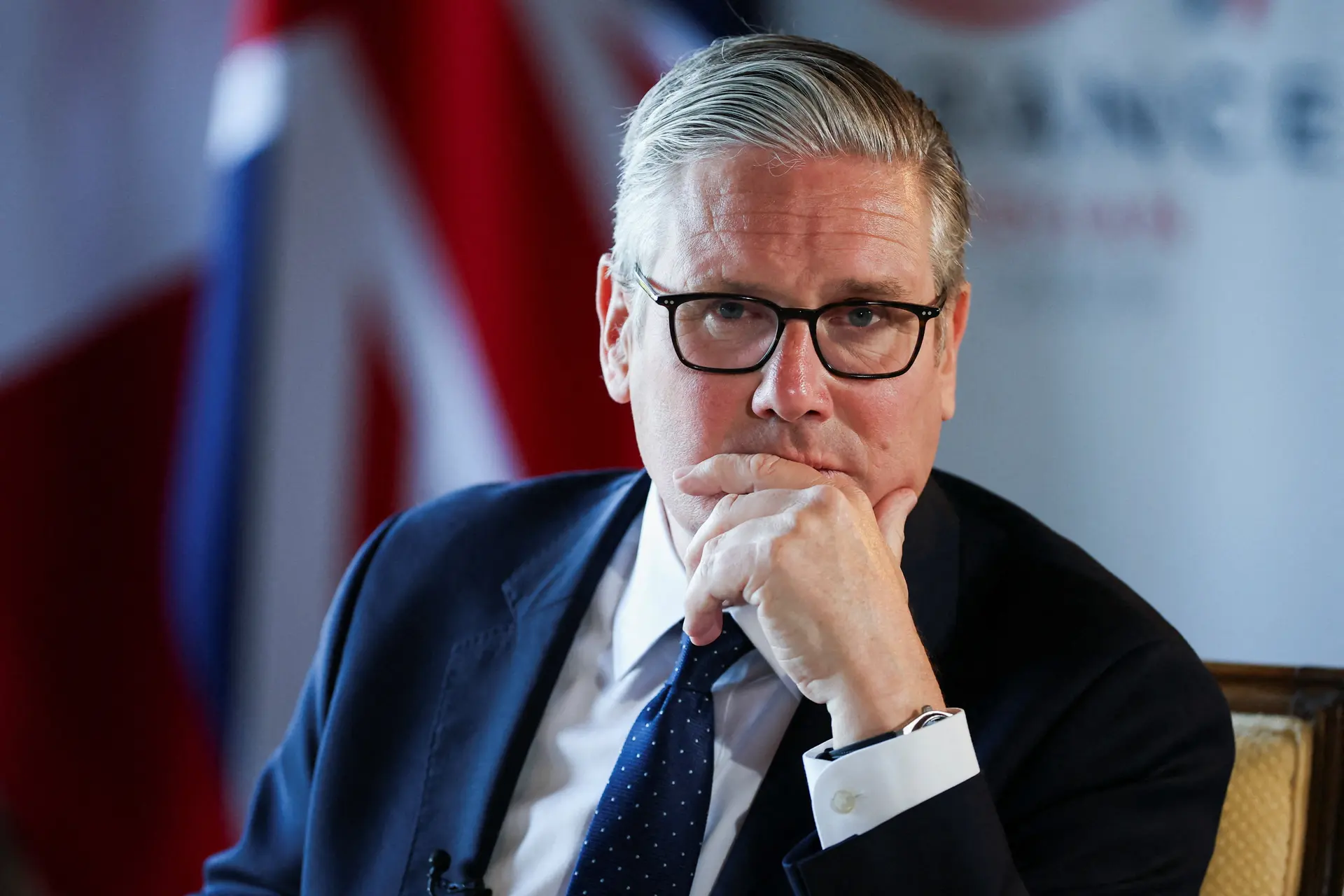
British Prime Minister Keir Starmer announced his resignation Monday morning, following a weekend of speculation over his political future in the aftermath of Andy Burnham’s victory in the Makerfield by-election.
“I will resign as leader of the Labour Party. I have spoken to His Majesty the King this morning to inform him of my decision,” Starmer said in a televised statement outside Downing Street.
Starmer said he will ask the National Executive Committee of the Labour Party to set out a timetable with nominations for leadership opening on July 9 and completed by the summer recess.
In the case of a contest, Starmer said, this process will ensure a new leader is in place before parliament returns in September. He will remain in post as Prime Minister until the contest is complete.
Starmer promised to do “everything” he can to ensure “an orderly handover of power” and vowed to give his successor his full, unequivocal support.
The Prime Minister was applauded by Labour lawmakers on the sidelines of Downing Street after he delivered his speech, with his wife Victoria Starmer also standing close by in support.
Starmer said his decision to step down came after he spoke to ministers about whether they thought he was the best person to lead Labour into the next general election. “I have heard the answer of my parliamentary party to that question,” he said. “And I accept that answer with good grace.”
The Labour leader’s announcement stood in stark contrast to the remarks he made following Burnham’s win on Friday.
In the initial aftermath, he had vowed to stand and fight in any leadership contest, stating: “I’m not going to walk away from that.”
But intense speculation over Starmer’s political future mounted over the weekend, with reports suggesting he was set to step down.
On BBC’s Sunday with Laura Kuenssberg, Business Secretary Peter Kyle strayed from Starmer’s vow to stay on and fight. Instead, he said the Labour leader was taking time to “try and reflect on the political challenges that he faces.”
Starmer was “taking the time to think through what the political realities are today, compared to last week, the week before,” said Kyle, insisting that the Labour leader would frame his decision based on what’s in the “best interests of the country.”
Kyle acknowledged there was “political uncertainty” and lessons for Labour to learn.
“The reality right now is that there is process under way, there are people who seek to challenge Keir,” he added.
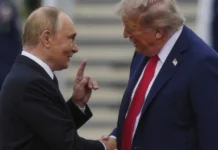
Hours after the Business Secretary’s remarks, U.S. President Donald Trumpsaid: “Keir Starmer will resign as Prime Minister of the United Kingdom.”
He claimed the British leader had “failed badly on two very important subjects—immigration and energy,” doubling down on his long-argued stance that the U.K. should expand its drilling in the North Sea. “I wish him well,” he signed off the message.
Although the two once shared a strong alliance, the relationship between Trump and Starmer has become increasingly splintered amid the fallout of the Iran war.
Starmer’s vulnerability in the party he led to victory in the July 2024 general election has been brewing for months.
Earlier this year, he faced tough questioning over his decision to appoint Peter Mandelson as ambassador to the U.S., after newly-released government files showed he was warned of the “reputational risks” over Mandelson’s ties to the late convicted sex offender Jeffrey Epstein.
More recently, following Labour’s poor performance in the local elections in May, dozens of lawmakers had called for Starmer to resign and set out a timeline for his departure.
Several ministers from Starmer’s government have stepped down in recent weeks, with some citing a lack of confidence in his ability to lead.
The top two defense officials in the U.K. resigned on June 11, accusing Starmer of failing to invest enough money into the country’s Defense Investment Plan (DIP).
Their departures followed the likes of former Health Secretary Wes Streeting, who said it was “clear that [Starmer] will not lead the Labour Party into the next general election,” when he resigned in May.
Streeting is considered one of the top contenders that could replace Starmer.
The former Health Secretary last week claimed he has the backing of the81 Labour lawmakers needed to trigger a leadership challenge and said he would be “prepared to do that” if the Prime Minister did not set a timeline for his departure.
Streeting has previously held back from launching a challenge, stating his intention to give former Manchester Mayor Burnham the chance to secure a route back to Westminster so that he too would be eligible to take part in any contest.
Burnham, during his victory speech on Friday, said “everyone knows that politics isn’t working” and suggested his win could be a “turning point.”
He referred to the moment as “a final chance to change” for the Labour Party and advocated for the building of “a new politics based on unity and hope.”